
Your attic can look fine and still waste energy. Maybe your rooms feel warm despite running the AC. Maybe your heat bills climb each cold winter. It is easy to blame your old HVAC unit. Yet the real issue might sit right above you.
Good attic insulation helps slow heat flow year round. But you cannot judge its value by looks alone. Here is how to spot signs worth a closer look.
Start With a Safe Look From the Hatch.
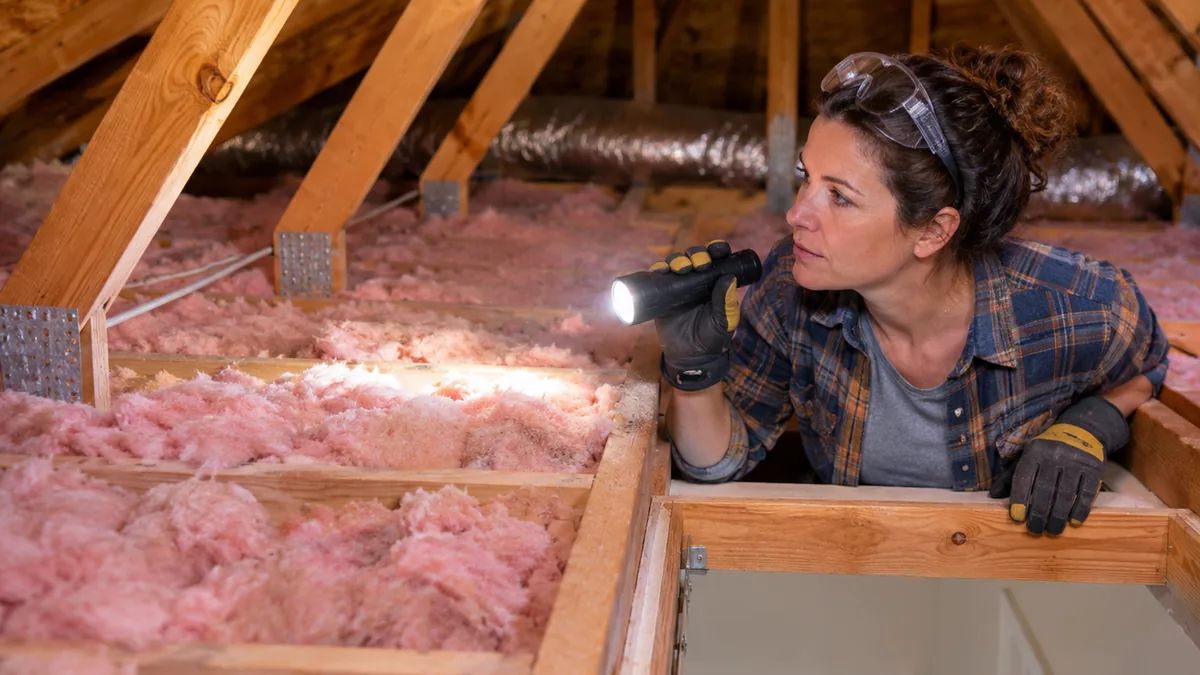
You do not need to crawl across your attic. Start at the hatch with a bright light. Look across the floor from a firm safe spot. Notice where the pink or gray fill looks thin. Check if wood joists show through bare patches.
Do not step on drywall between the attic joists. It will not hold your weight like a floor. If access feels risky leave the check to a pro. There is no need to take that chance.
Check for Thin or Uneven Insulation.
A patchy attic is often easy to spot. One side may look deep and well covered. The far end may show bare wood or gaps. Work crews can move insulation while fixing pipes or wires. Strong drafts may also shift some loose fill.
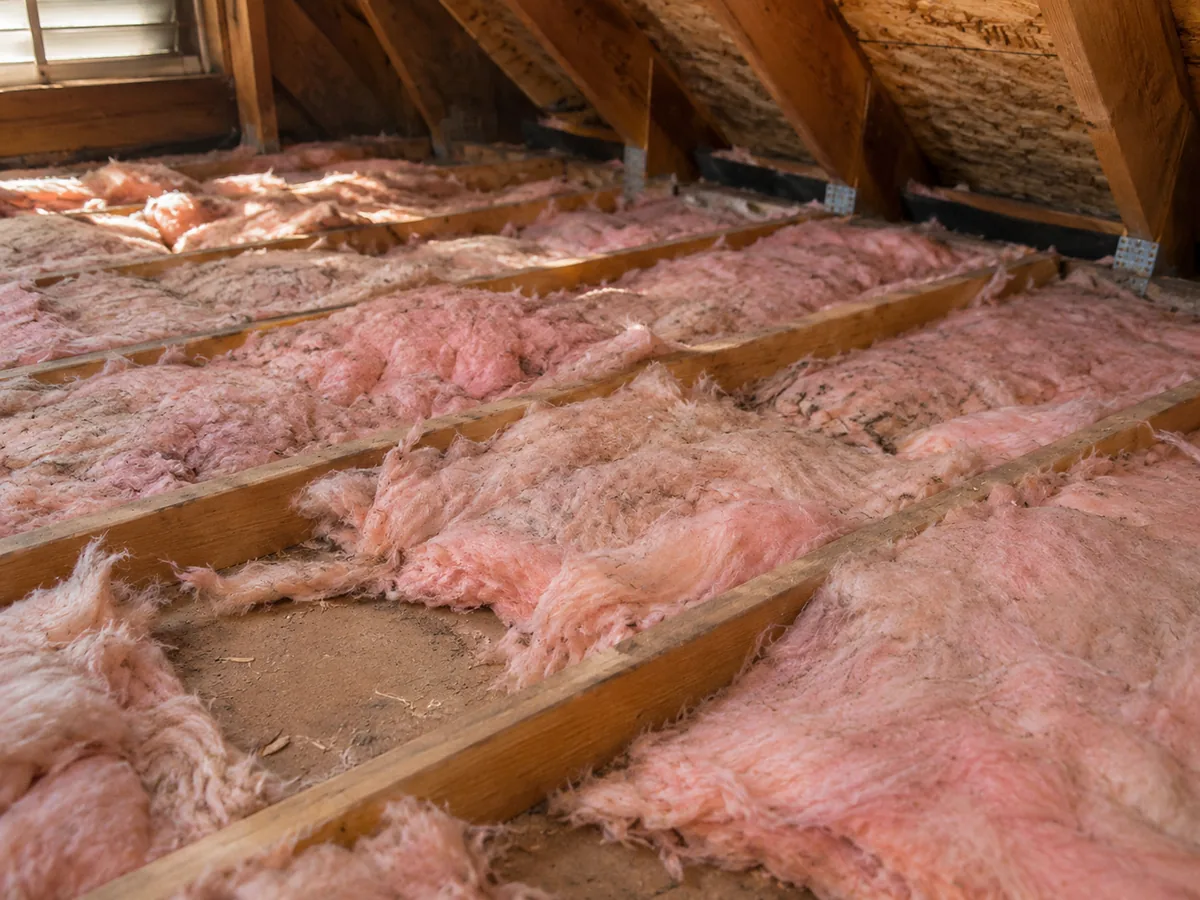
Bare joists can hint that more insulation may help. Still the depth alone does not tell the full story. The right R value also matters for your home.
Find Out What Your R Value Means.
R value tells you how well insulation slows heat. Higher R values offer greater resistance to heat flow. Your ideal level depends on your local climate zone. The type and depth of insulation also matter.
For example, four inches of loose-fill fiberglass may provide around R-10. Eight inches of the same material may provide R-20. But cellulose and fiberglass do not offer identical R values.
Approximate R Values by Insulation Type
| Insulation material | R value per inch |
| Loose-fill fiberglass | R-2.5 |
| Fiberglass batts | R-3.2 |
| Cellulose | R-3.7 |
Approximate values based on ENERGY STAR’s attic inspection guidance. Actual product ratings can vary.
Example: Loose-fill fiberglass insulation
R-10
4 inches
R-20
8 inches
R-30 12 inches
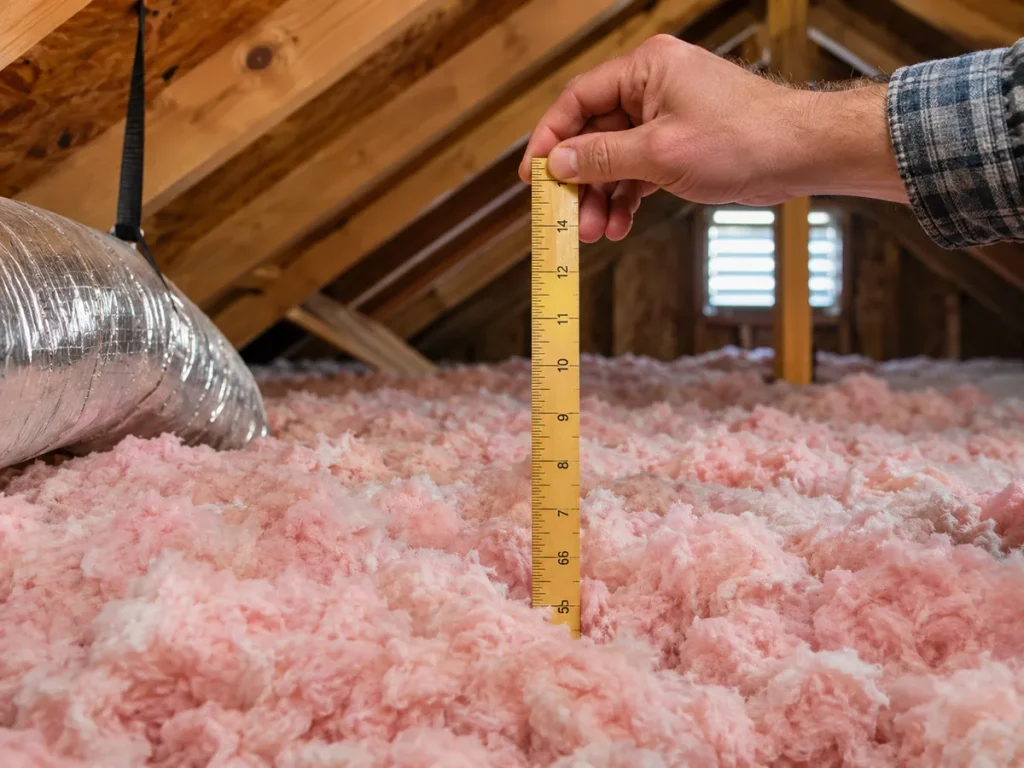
Some homes may need R-38 or R-49. Other homes may need a higher or lower level. ENERGY STAR provides guidance for different US climate zones. Check those guides along with your local code.
Do not guess the level from color alone. A trained professional can check what is there.
Do not guess the level from color alone. A trained pro can check what is there.
Think About the Rooms Below.
Does one bedroom feel hot long after sunset? Does the same room feel cold in winter? Weak attic insulation could be part of the issue. Heat can pass more freely through thin ceiling cover.
Still there may be more than one cause. Leaky air ducts can change how rooms feel. Large sunny windows may warm a room each day. A home energy audit can help sort things out.
Read Your Energy Bills With Care.
A high bill can make any homeowner worry. Poor insulation may add to the cost. But rates and weather can change your bill too. An old HVAC unit might use more power.
Look at energy use across alike weather months. The amount of energy used matters more than price. A sharp rise is a clue not final proof. Pair your bills with a check of the attic.
Do Not Forget About Air Leaks.
Some homes have enough insulation but still feel drafty. That can happen when air slips through ceiling gaps. Look near the attic hatch and pipe holes. Some gaps hide near lights or wall tops
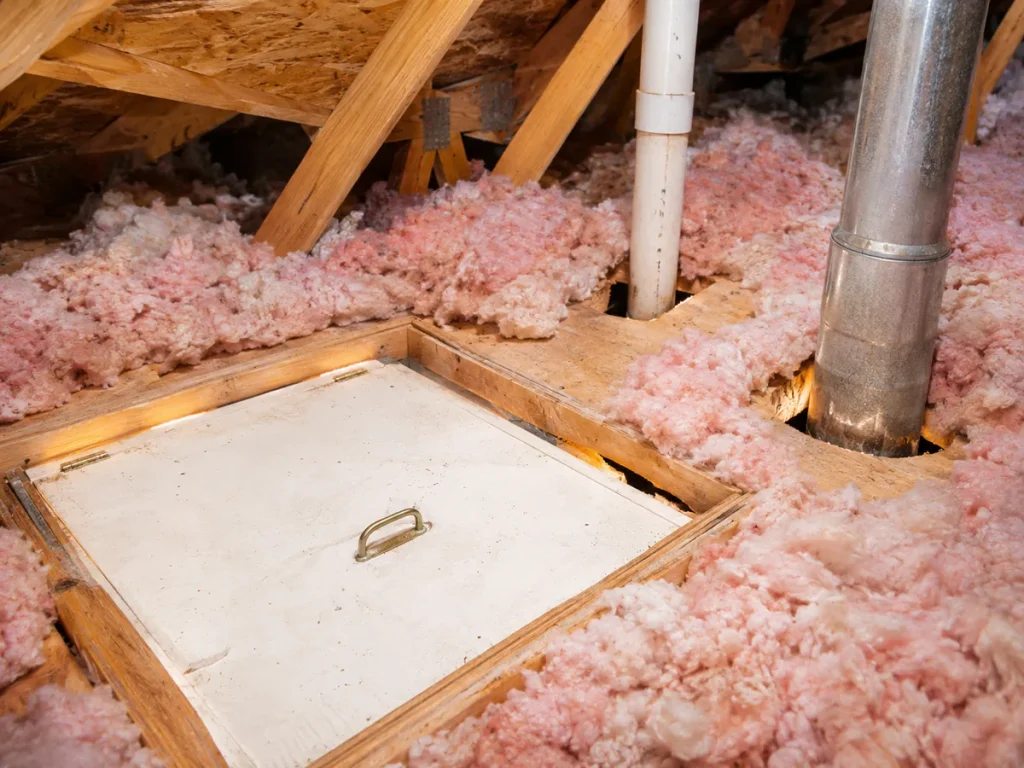
Air sealing helps close these paths before new insulation. ENERGY STAR says to seal attic air leaks first. This step can improve the value of later work.
Do not use plain foam near hot flues. Some areas need fire safe parts and skilled help. Ask a trained pro if the fix looks complex.
Watch for Damp Spots and Other Damage.
A roof leak can soak insulation without much noise. You may see dark marks on nearby wood. Some fill may look flat or show damp stains. You might also notice signs of pests.
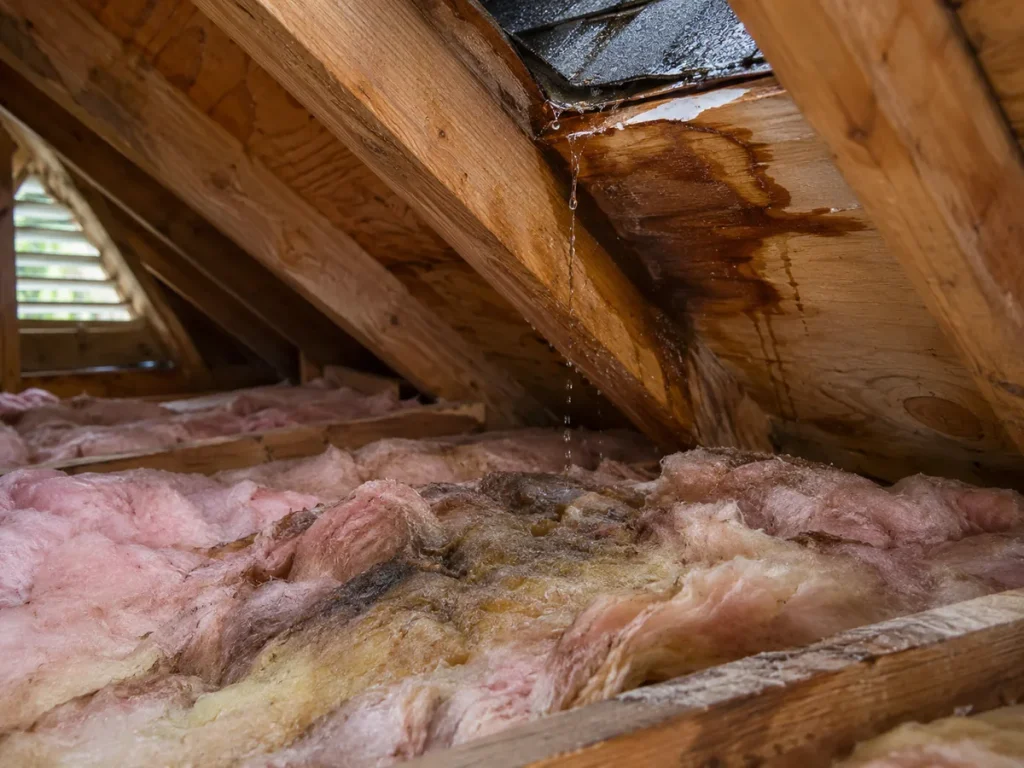
Do not bury wet fill under a new layer. Find the cause before you plan any new work. A pro can assess what should stay or go.
Some older attics hold loose vermiculite insulation. This fill may contain asbestos and needs special care. The EPA says you should not disturb suspect vermiculite. Call a trained expert before work near such fill.
Can You Add Insulation Over the Old Layer?
In many cases you can keep the old insulation. It must be dry and safe to leave. New fill can then raise the total R value. But air leaks should be sealed before new work.
Never block soffit vents while adding more fill. Vent paths must stay clear for the attic. The wrong vapor barrier can trap damp air. Ask a pro which product fits your roof setup.
How Much Insulation Does Your Attic Need?
There is no single depth for every US home. A cold region may call for a higher R value. Your current level also affects what you need next.
ENERGY STAR has useful advice for each climate zone. Local code may set rules for your next job. An expert can check both before work begins.
When It Makes Sense to Call a Pro.
Some attic jobs are best left to skilled hands. That is true when you find damp or mold. Old wires and blocked vents also need care. Suspect vermiculite is another reason to stop.
Ask what the quote covers before you agree. It should state the planned R value clearly. Ask about air sealing and any needed repairs. A good plan fixes the cause not just signs.
Common Questions?
Can I Tell If My Attic Needs Insulation?
Start by looking for thin spots and exposed joists. Then check the depth and likely R value. Compare that level with local advice for your home.
Can More Insulation Lower My Energy Bills?
It may help if heat loss is a major issue. But real savings vary from one home to another. Weather and air leaks both shape the final result.
Should Old Insulation Be Removed First?
Not always since clean dry fill can often stay. Wet or unsafe fill may need expert care. Never touch suspect vermiculite without trained help.
Is Attic Insulation Useful in Hot Climates?
Yes because it slows heat flow in both ways. It can help limit attic heat in summer. It also helps hold indoor heat during winter.
The Bottom Line.
Your attic may need more insulation than it has. Thin spots and high bills are clues worth a check. They are not proof on their own though. Start with a safe look and check the R value.
Fix damp areas and air leaks before adding fill. If you spot a safety risk call a pro. A careful plan can make your home more cozy.